

Stories / Blog

Seafood Seasonality Guide
Download & Print our Seafood Seasonality Guide! When you shop for seafood at a grocery store or supermarket, ask for locally-caught seafood that’s in season - it encourages fish buyers to source from Monterey Bay fishermen and strengthens our local food system.

How to Shop at a Fish Market (it’s not that scary)
Fish markets specialize in seafood. The best way to find out what’s local, seasonal and sustainable? Have a conversation, ask questions, and consult the Seafood Watch Guide.
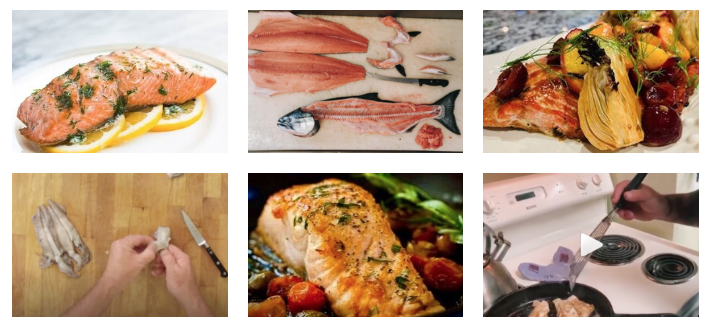
New Recipes Featuring Wild, Local King Salmon
We’re posting recipes for local seafood from fishermen, chefs & home cooks every week, starting with a focus on delicious, in-season Monterey Bay King Salmon! .

CSFs deliver local, sustainable seafood to your home!
CSFs are a great way to enjoy fresh, local, sustainable seafood from the Monterey Bay Fishing Community consistently. Join a CSF and get fresh, local seafood delivered to your home.
#MontereyBaySeafood: helping people find local, sustainable seafood
This month, we’re launching #MontereyBaySeafood - a campaign to help people find local, sustainable seafood. Over the next several months, we’ll be sharing resources, stories and recipes that make it easier for consumers to support fishing families.

The Salmon are Coming!
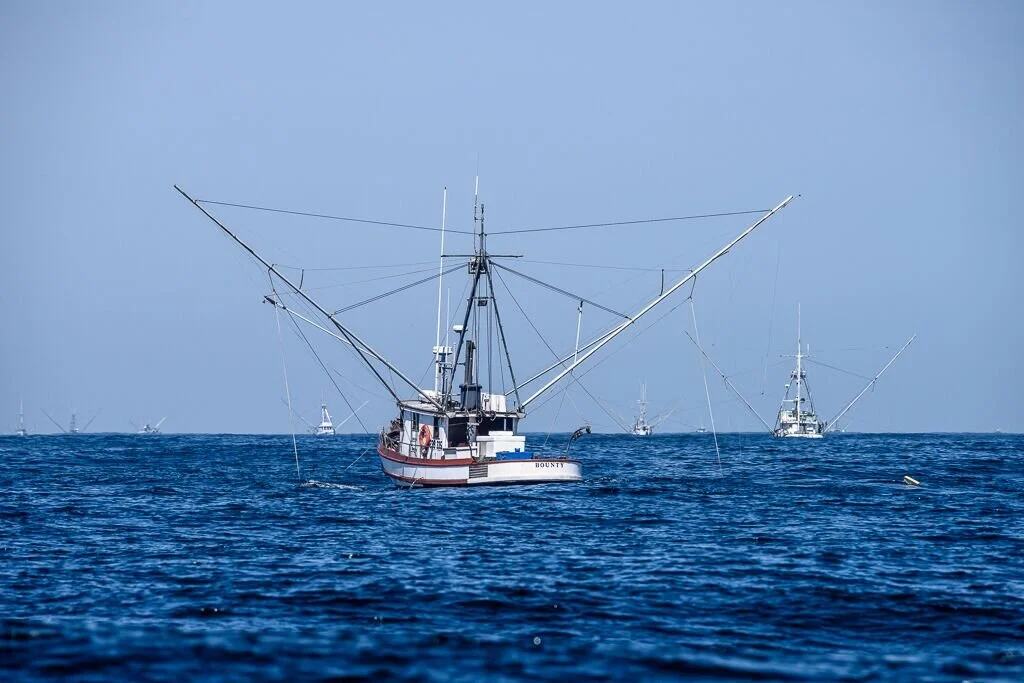
Yes, there’s a silver lining out there. The commercial King salmon season starts this Friday, May 1st. Rainfall has been filling the rivers in the Central Valley where young salmon are born, and anchovies, a favorite food for salmon, are plentiful in the Monterey Bay.

Finding Local Seafood during COVID-19
The Monterey Bay is blessed with a year-round, abundant food supply. From farmers to fishermen, we have access to some of the freshest, most nutritious food available. The COVID-19 pandemic is showing us how essential our local food producers are in a time of crisis.

COVID-19: Support our community and stay healthy through this crisis
While the COVID-19 pandemic is devastating, it presents us with an opportunity to change our eating habits from cheap and predictable imports to fresh, local, and sustainable.
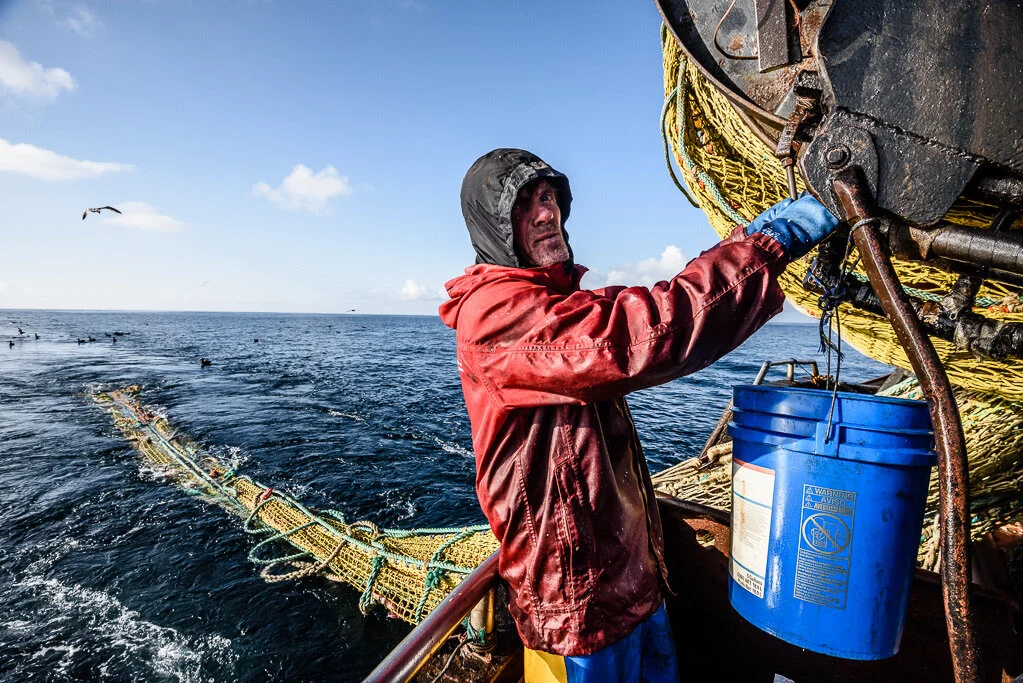
West Coast fishermen score a big win with federal buyback loan relief
Fishermen on the West Coast have reason to be optimistic after the federal government decides to significantly reduce the rate of a buy back loan that sought to keep boats off the water nearly two decades ago when the groundfish fishery was declared a disaster.

Monterey Bay fishermen and chefs join forces to celebrate local seafood with the 2nd annual Get Hooked restaurant week.
Getting underway January 20 - 27th, participating restaurant will be putting their #bestfishforward by serving special dishes created from seafood caught sustainably by the fishermen and women of Monterey Bay. It’s a feast in support of the fishing community.

5 Things that Set Monterey Bay Seafood Apart!
We love local fishermen and seafood harvested from the Monterey Bay. Here are five reasons why—from the Monterey Canyon and its ecological abundance,to the rich history and culture of fishing, to the men and women who fish sustainably and help bolster our local economy.

Cowcod fish stocks declared rebuilt!
Another notch in the success column! Populations of Cowcod have recovered over 70 years ahead of initial scientific projections, thanks to the diligence of a diversity of partners. This leaves only one other species of West Coast groundfish stocks remaining under a re-building plan.

Get Hooked Santa Cruz restaurant week is now underway!
From July 29 - August 4th, restaurants will be celebrating local seafood by featuring dishes of wild, seasonal catch and diners will know exactly which one of Monterey Bay’s hardworking fishermen and women are responsible for their meal.

Lost Gear Recovery Project Removes Lost Fishing Gear From Monterey Bay
For the third year in a row, the Monterey Bay Fisheries Trust is collaborating with local fishermen and the boating community to find and remove lost Dungeness crab gear from the Bay.

Why do we still use the word “fisherman?”
Today there are more women on the water than ever, so why do we still use the term “fisherman” to describe the men and women who harvest fish? We asked women who fish and write for a living what their preferred terms are. The answers may — or may not —surprise you.

Moss Landing: In the Cradle of the Bay
Of the three main ports on the Monterey Bay, Moss Landing stands apart with commercial fishing remaining the lifeblood of the local economy—even with robust recreation businesses and world-class research institutes (Monterey Bay Aquarium Research Institute and Moss Landing Marine Labs) also calling the unincorporated town home.

Passing The Torch: Generational knowledge in the Monterey Bay seafood biz
There’s a steep learning curving in commercial fishing whether it’s on a boat, learning where to land fish and how to keep the equipment operational, or on the dock, trying to find a steady supply of seafood for vendors while ensuring a high-quality fresh product. A good mentor is invaluable. Roger Whitney, a buyer who has operated out of Moss Landing for over 40 years is passing all his know-how to the young upstarts at Ocean2Table, Charlie Lambert & Ian Cole.

“Get Hooked” Restaurant Week Celebrates Sustainable Local Seafood and the Fishermen Who Catch It
Running from January 14th– 21st, Get Hooked, an official program of California Restaurant Month, is a week-long celebration of Monterey Bay’s restaurants that are sourcing locally landed and sustainably caught seafood and acknowledging the hardworking fishermen who reel it in.

Local Fishermen On Course to Become Future Leaders
The science and regulations that dictate what commercial fishermen can and can't do on the water are complex. The Monterey Bay Fisheries provides scholarships for fishermen to attend the Marine Resource Education Program (MREP) to help address the steep learning curve.

Santa Cruz: Small Crafts with Big Impact
Santa Cruz has the reputation as a laid-back surf town. Though underlying this casual waterfront vibe is the commercial fishing fleet that has helped shape the culture and economy of the area. What are the factors that have shaped the harbor and what's in store for the future?