

In the Press
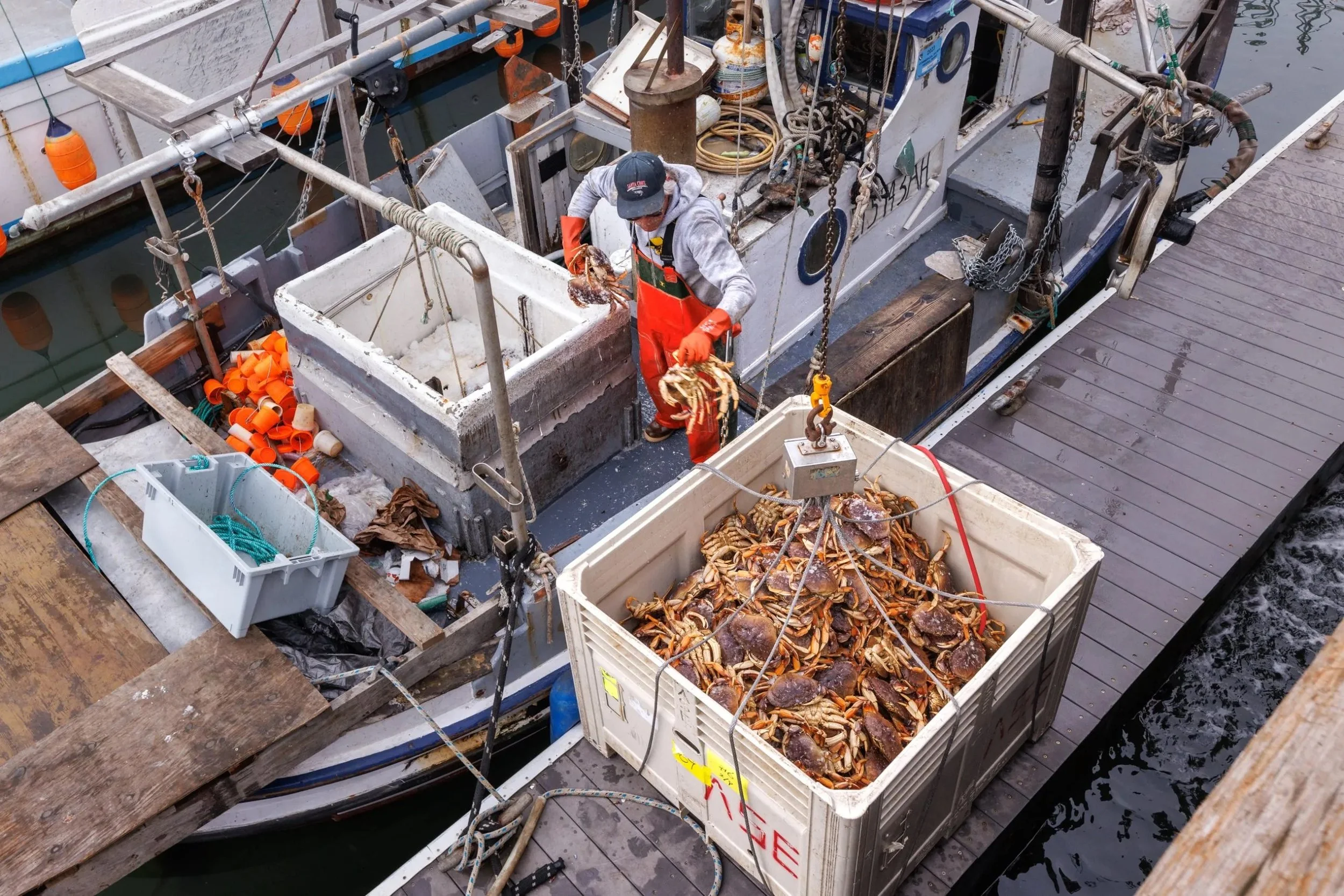
Monterey Bay’s fishing industry is changing: Here’s what Santa Cruz fishers are catching now
The nonprofit Monterey Bay Fisheries Trust produced the Monterey Bay Commercial Fisheries: Status and Trends Report with help from researchers at UC Santa Cruz, the Monterey Bay Aquarium and Stanford University’s Hopkins Marine Station. It looked at data on fishing activity from 1981 to 2024, with a detailed focus on the past 14 years, and released the findings earlier this month.
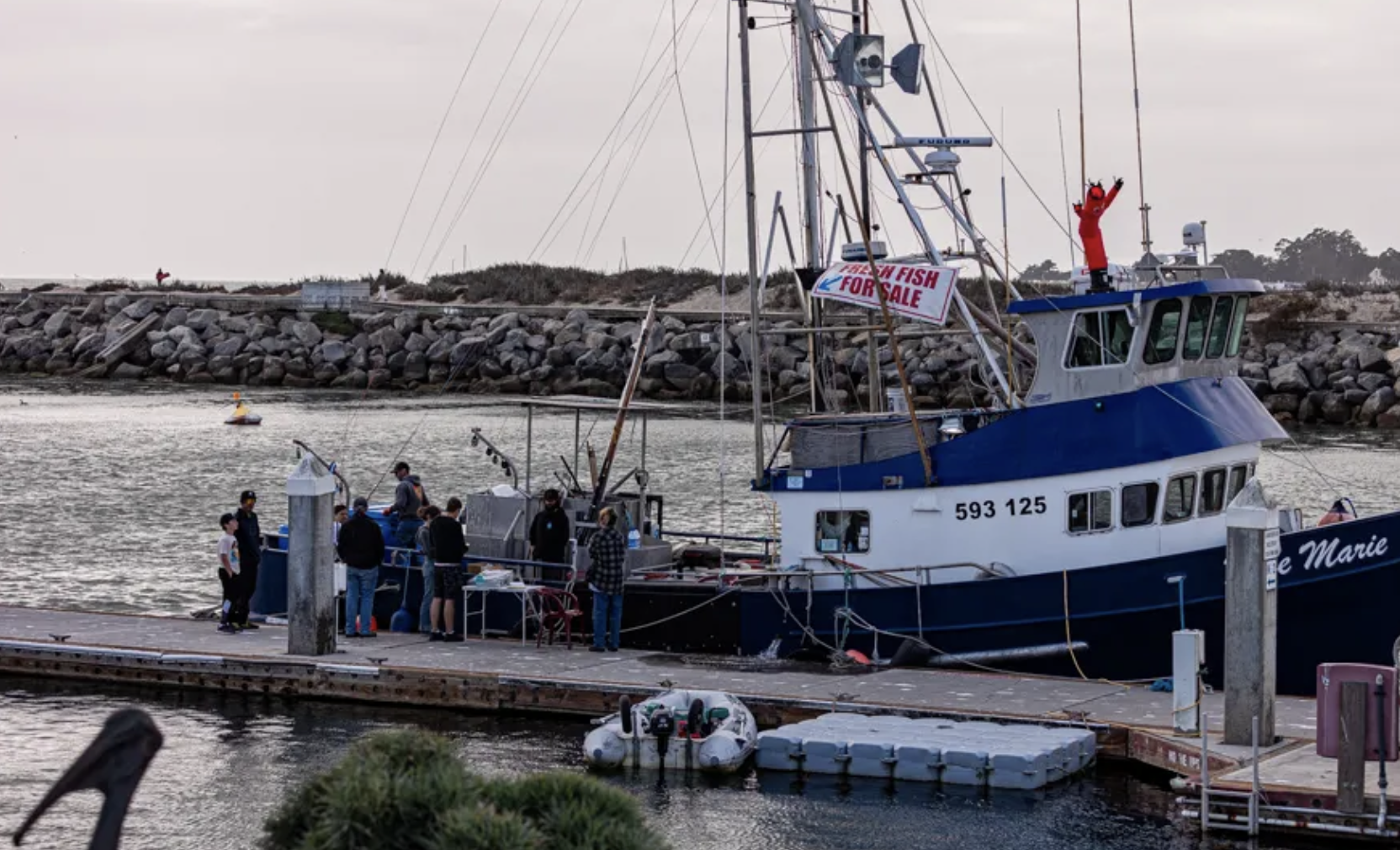
Tracey Weiss, Our Ocean Backyard | Preserving our working waterfront
For more than a century, commercial fishing has been woven into the history and identity of Santa Cruz. What began with small wooden fishing boats serving local communities has grown into a modern fleet that continues to supply fresh, sustainable seafood while supporting local jobs and preserving our working waterfront. Although the harbor is often celebrated for recreation, it is also home to an industry that quietly helps sustain our coastal economy.
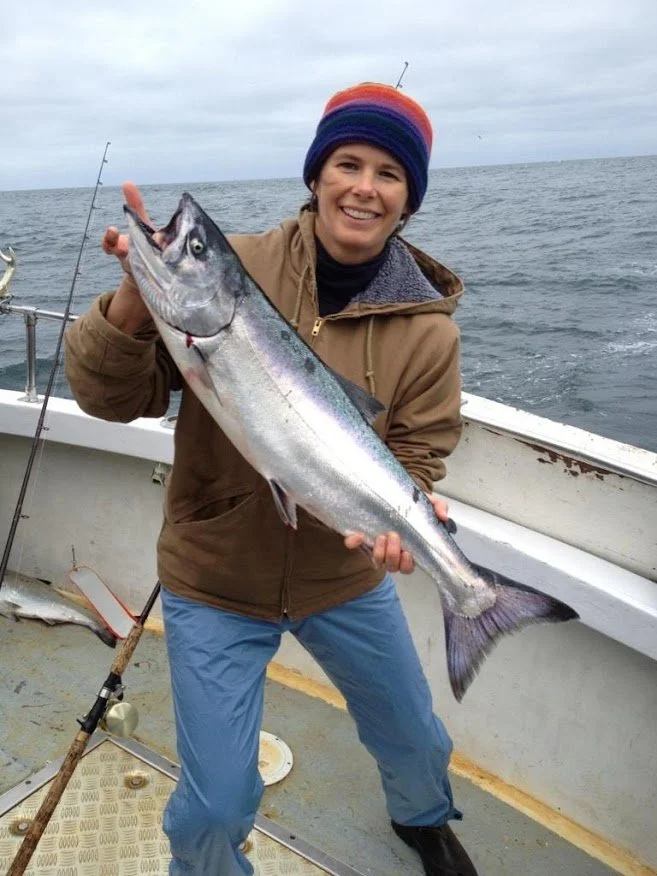
Conservation vs. Fishing
On many mornings along Monterey Bay’s working waterfront, fishing boats return quietly to harbor after long hours at sea. Decks are washed down, crates of fish are unloaded, and the rhythm of a centuries-old industry continues — often unnoticed by visitors strolling Cannery Row or watching sea lions bark from the docks. For Melissa Mahoney, those boats represent far more than a picturesque coastal scene. They are the foundation of a regional blue economy, a cultural legacy, and a critical component of Monterey Bay’s long-term environmental stewardship.
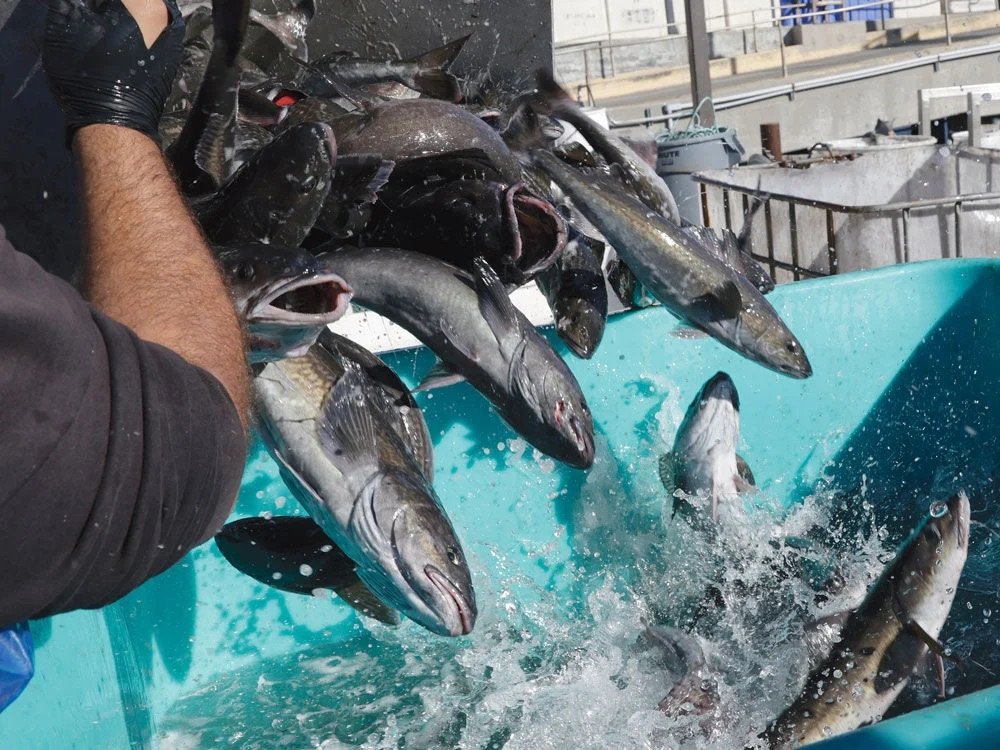
A report finds the Monterey Bay commercial fishing industry squeezed by a slew of pressures
A new report by the Monterey Bay Fisheries Trust takes a look at the state of Monterey Bay’s commercial fisheries over four decades, finding that while the region’s commercial fishing industry has fundamentally shrunk, it has become more diversified over time.
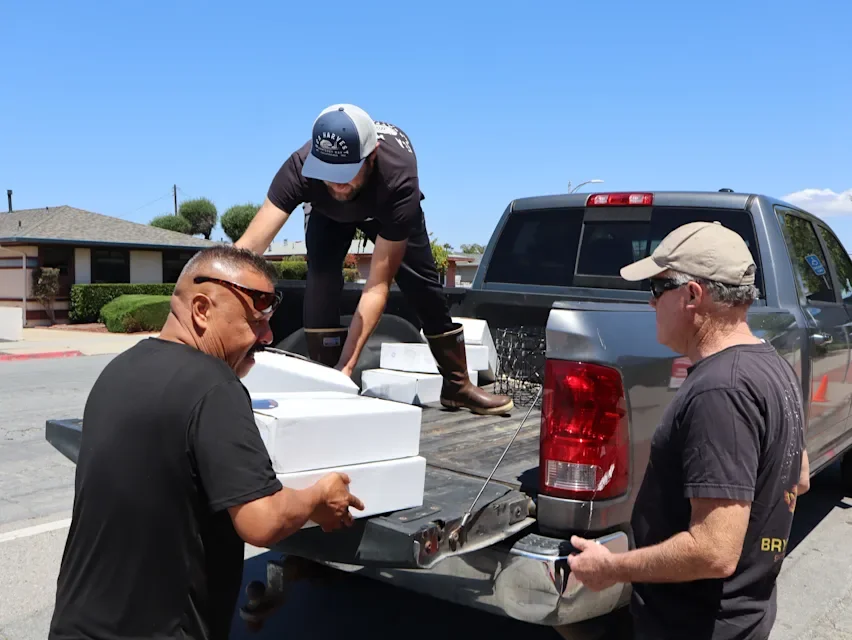
Monterey Bay Program Donates Local Fish to Food Relief Organizations
Monterey Bay Fisheries Trust delivers locally caught fish on May 6, 2026, to Nancy's Project, a food relief organization that partners with the food pantry at St. Paul's Episcopal Church for their Wednesday food distribution, in Salinas, Calif.
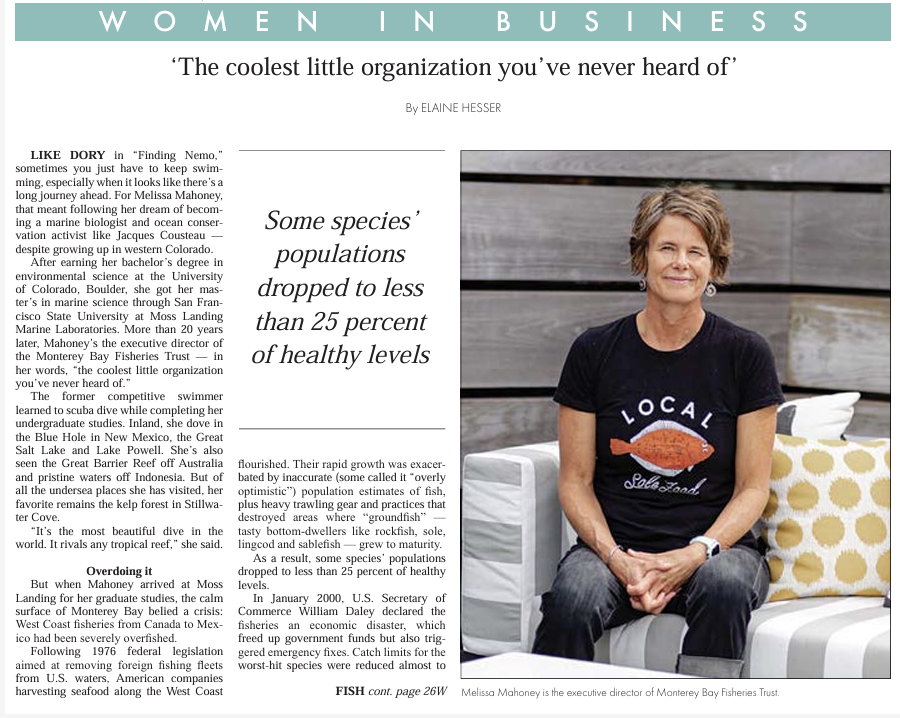
Women in Business - the Carmel Pinecone
LIKE DORY in “Finding Nemo,” sometimes you just have to keep swimming, especially when it looks like there’s a long journey ahead. For Melissa Mahoney, that meant following her dream of becoming a marine biologist and ocean conservation activist like Jacques Cousteau — despite growing up in western Colorado.
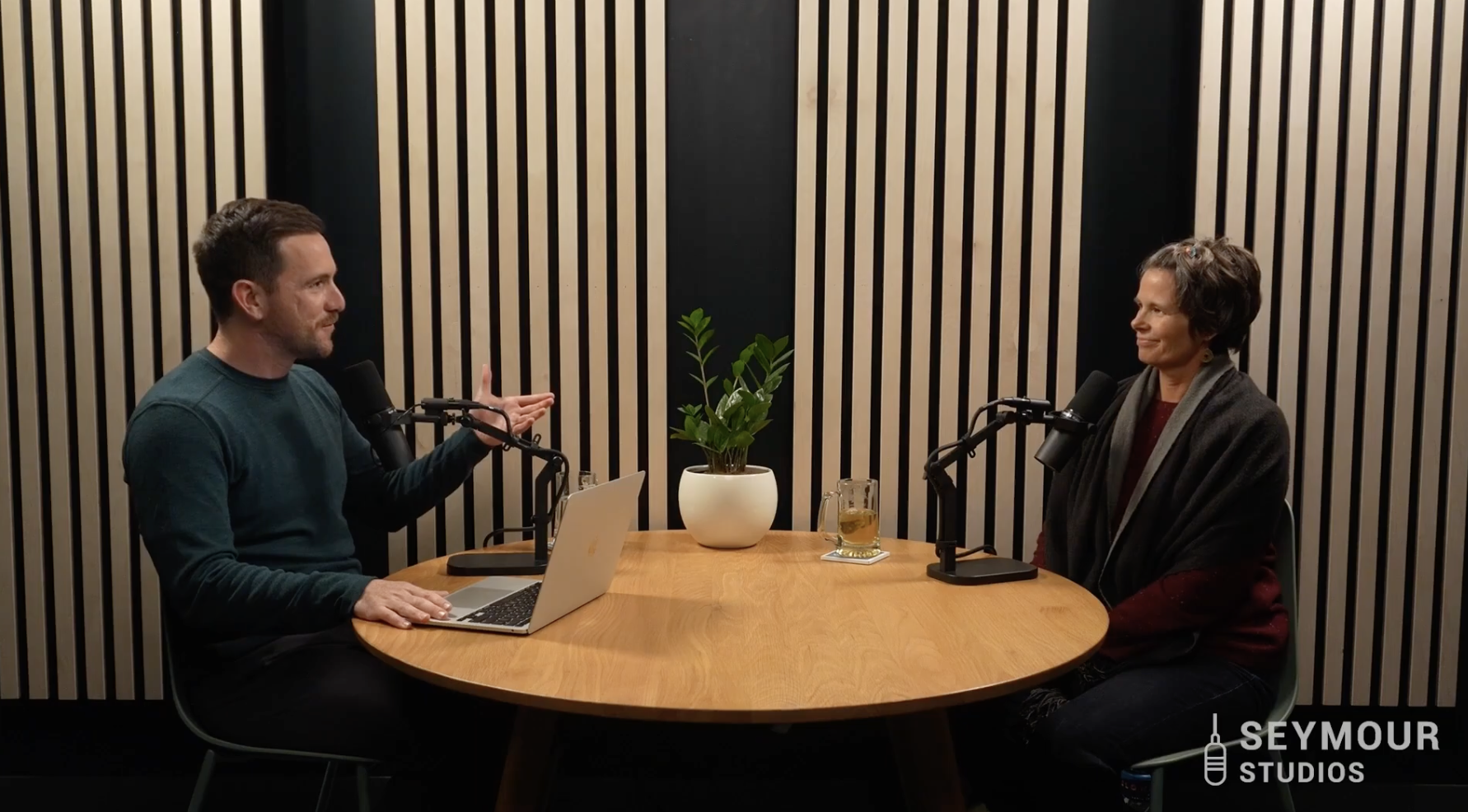
Conservation vs. Fishing: Solving a Tough Tension in The Monterey Bay with Melissa Mahoney
Most people don’t realize how fragile and interconnected our local fisheries are and how conservation and industry are often seen as competing interests. Melissa Mahoney, Executive Director of the Monterey Bay Fisheries Trust, reveals the surprising truth that protecting fish populations and supporting fishing communities can truly go hand in hand. She shares stories that challenge conventional thinking, from the deep history of fishing in California to innovative solutions that reconnect communities with their ocean resources.
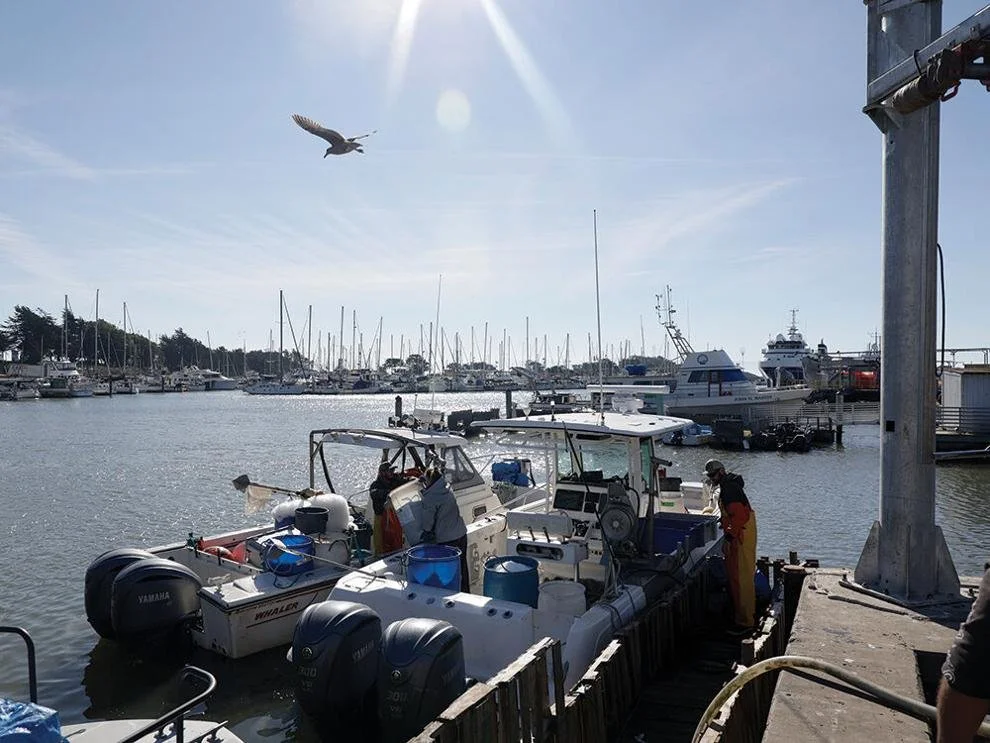
No crab for Christmas, but local fishers still have catch to sell. Here's what to look for.
IT’S A SUNNY MORNING IN DECEMBER AND THE ROCKFISH AND BLACK COD ARE SHOWING UP IN GOOD NUMBERS, HUNGRY. At the docks in Moss Landing, Walter Deyerle, who fishes as part of a family fleet, offloads his catch from the boat straight into the back of a wholesale-to-the-public fish market his family opened in late 2023. The rockfish – specifically, vermillion rockfish, also known as “red snapper” or “rock cod” – are fresh, the red color vibrant and the fins twitching in the ice bucket.
Image: Daniel Dreifuss
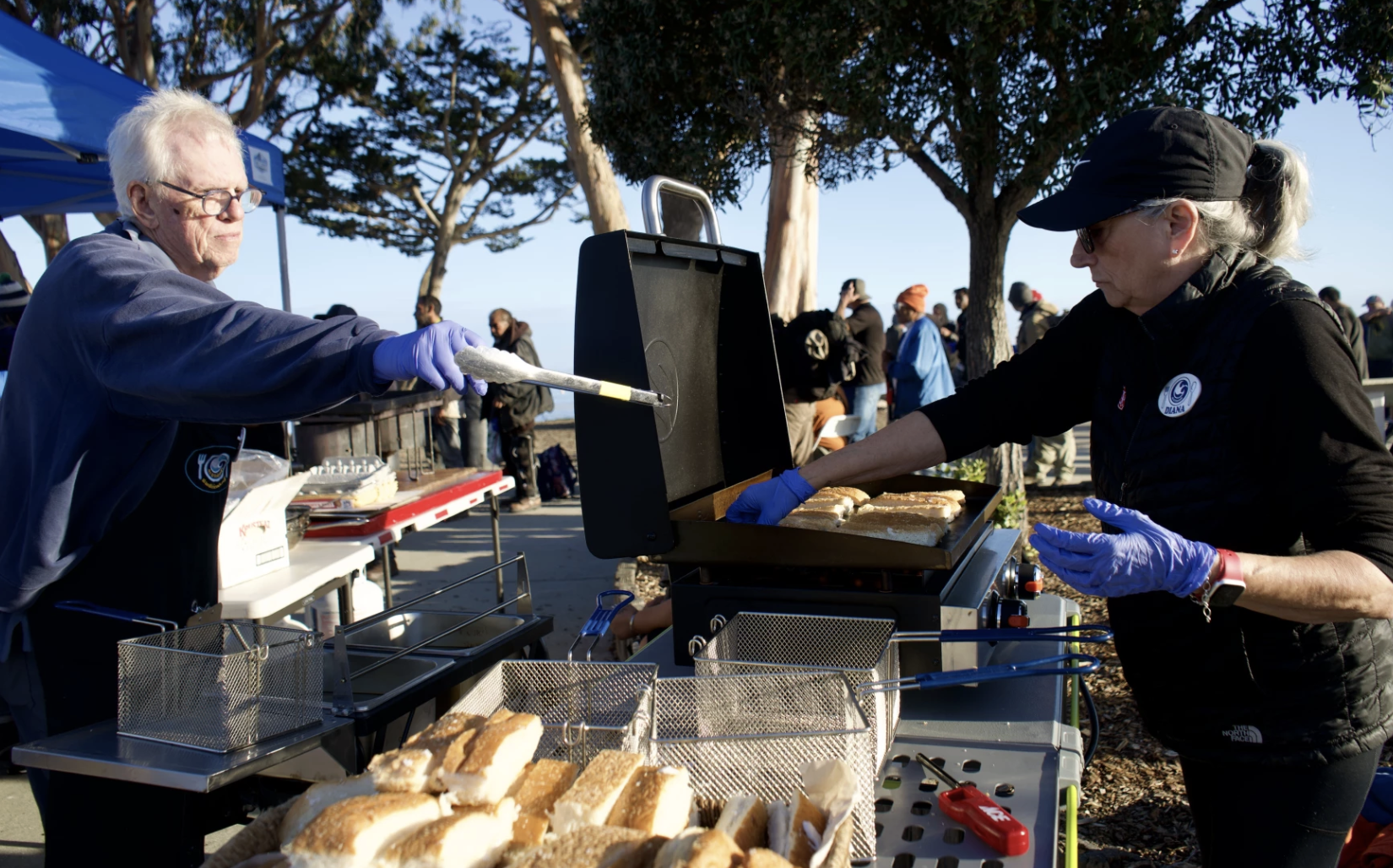
Community Seafood Program fills bellies with local catch
To help fill empty bellies among the region's food insecure population, the Monterey Bay Fisheries Trust started the Community Seafood Program five years ago. It buys seafood from local fishing boats and donates the fresh fish to local food relief organizations.
The need is great.
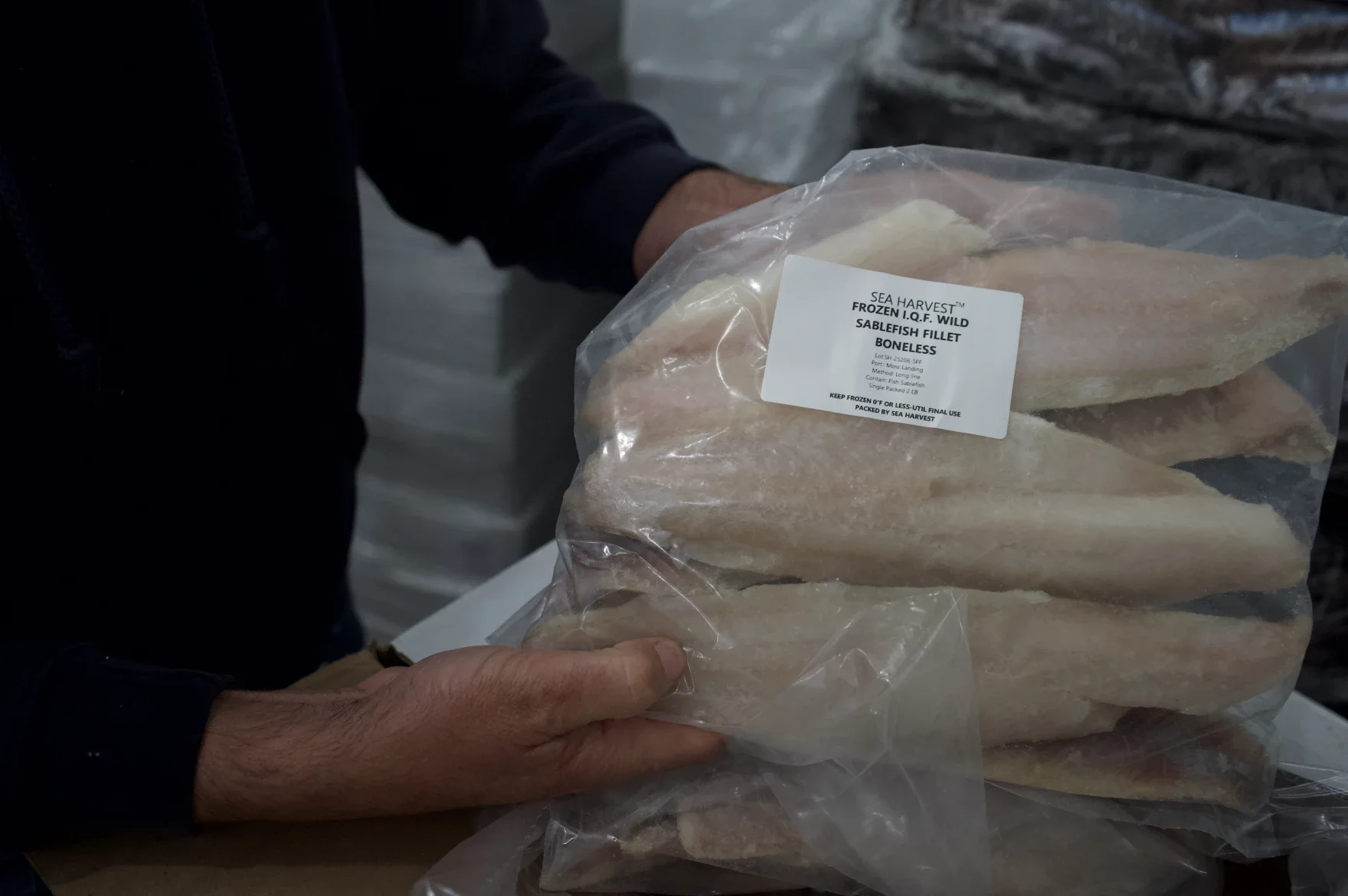
Monterey Bay Fisheries Trust bolsters food assistance and fishing industry with Community Seafood Program
In today's newscast, the Monterey Bay Fisheries Trust created their Community Seafood Program to support commercial fishing during the COVID-19 pandemic and continue delivering fresh seafood during the government shutdown.
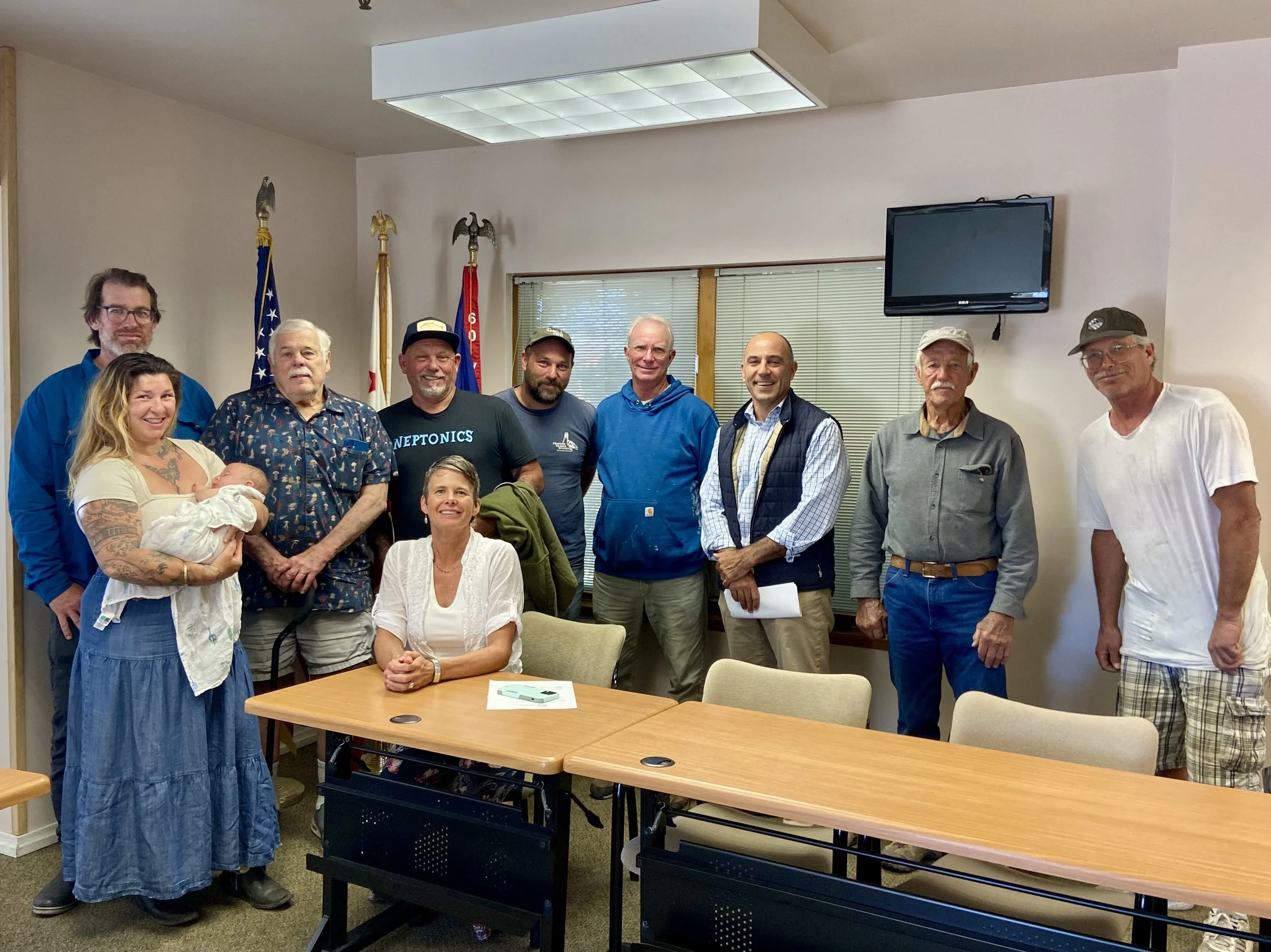
Rep. Panetta Authors and Introduces Legislation to Launch National Heritage Area Study for Monterey Bay Region
"The Monterey Bay Fisheries Trust strongly supports Congressman Panetta's to re-introduce the Monterey Bay National Heritage Area Study Act," said Monterey Bay Fisheries Trust Executive Director Melissa Mahoney. “We appreciate that the study will uplift community voices and shine a light on our region’s unique cultural, historical, and ecological value, and provide an economic catalyst that helps support our local communities for generations to come.”
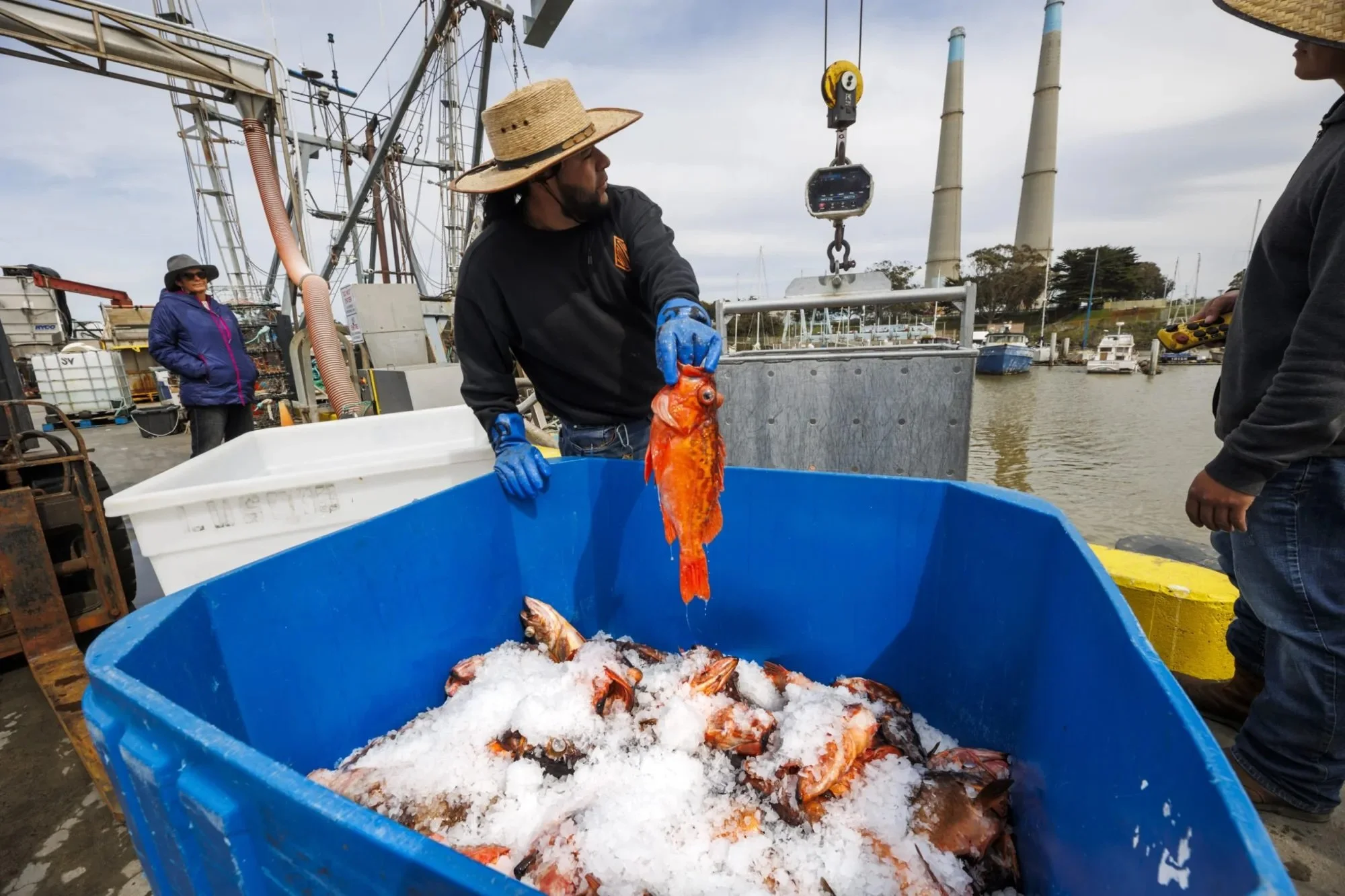
Santa Cruz’s Grey Bears joins Monterey Bay Fisheries Trust Community Seafood Program
Grey Bears, a nonprofit serving older Santa Cruz County adults through healthy food distributions and community programs, is partnering with Monterey Bay Fisheries Trust (MBFT) as a new member of its Community Seafood Program. This collaboration will bring sustainably caught, high-quality seafood and hot meal offerings to support Grey Bears’ food distributions, bringing new, fresh and local food options to the tables of Santa Cruz County seniors who are part of Grey Bears’ Healthy Food Program.
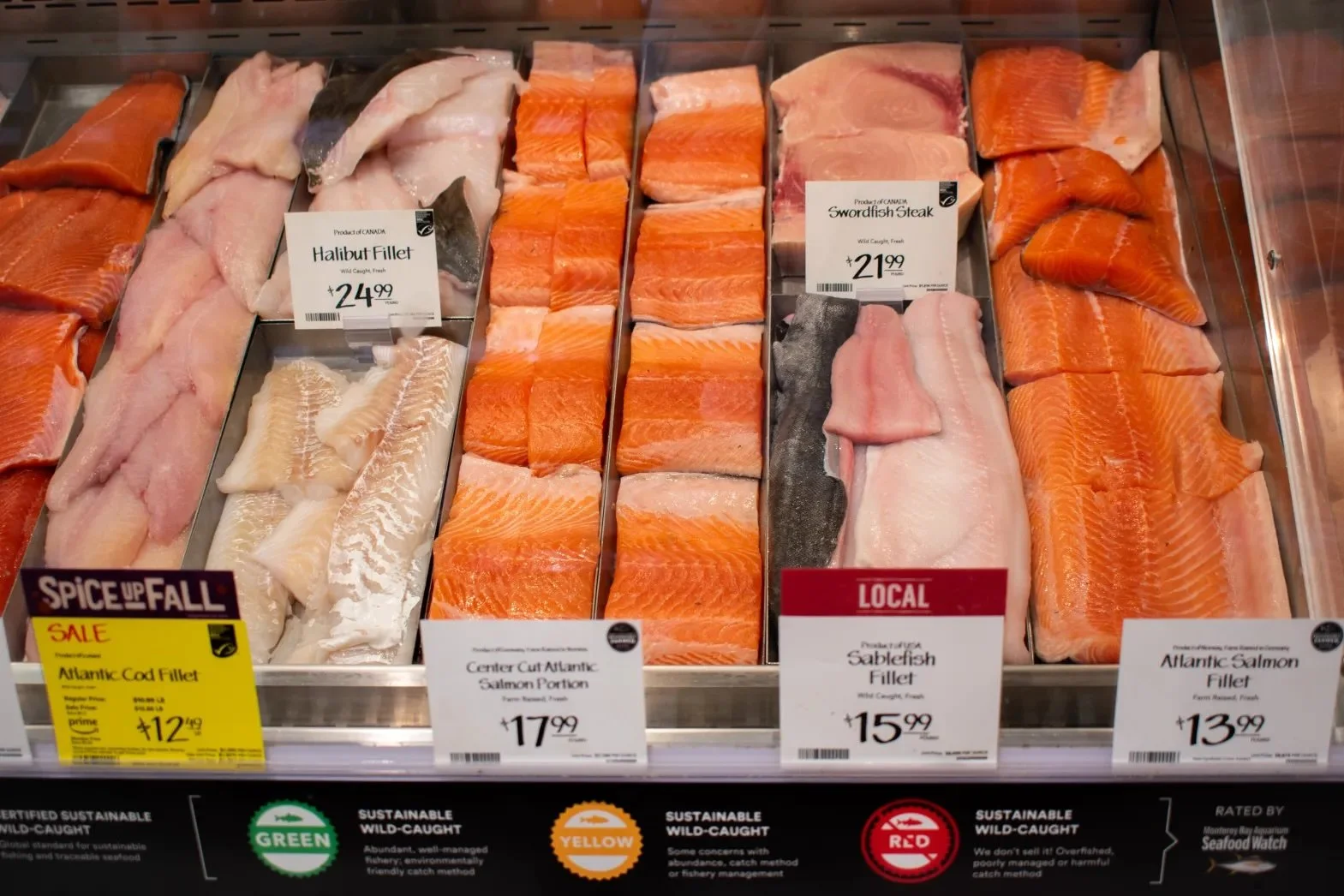
Fundraising to Provide Seafood for food Insecure Starts in June
The Monterey Bay Fisheries Trust is gearing up for a digital campaign aimed at providing healthy, harvested seafood to those needing food assistance.
Starting June 9, the Fisheries Trust will kick-off the 2025 Week of Seafood Giving, with a goal of raising $5,000 for the Community Seafood Program. In addition, thanks to a private supporter, all donations up to $5,000 will be matched, doubling the impact and the number of meals donated.
The donation page can be found on the Monterey Bay Fisheries Trust website at montereybayfisheriestrust.org. Donations can be made online June 9-15.
Farm-to-table trailblazer Jim Denevan returns to his roots with a dinner on Capitola Wharf
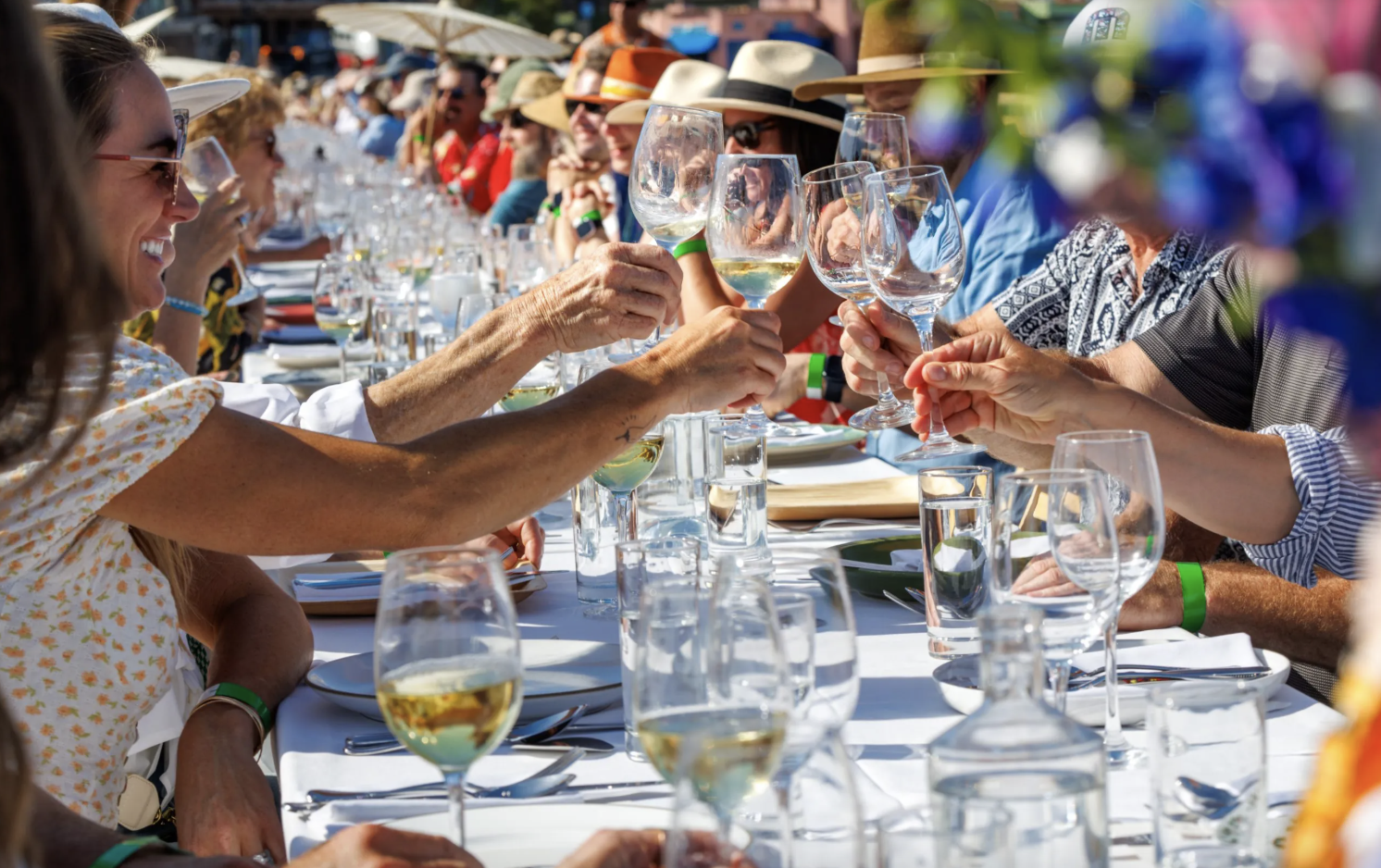
On Wednesday, a 175-foot table draped in white cloth stretched down the center of the Capitola Wharf and drew curious looks from the fishers, dog walkers and teens piled onto beach cruisers that passed by the unusual scene. Light glinted off wine glasses and mismatched plates at nearly 200 place settings while pelicans dove into the water and Capitola Village shone in its idyllic glory on the shore.
50 Year Legacy: Vietnamese Boat People Thrive as Monterey Fishermen
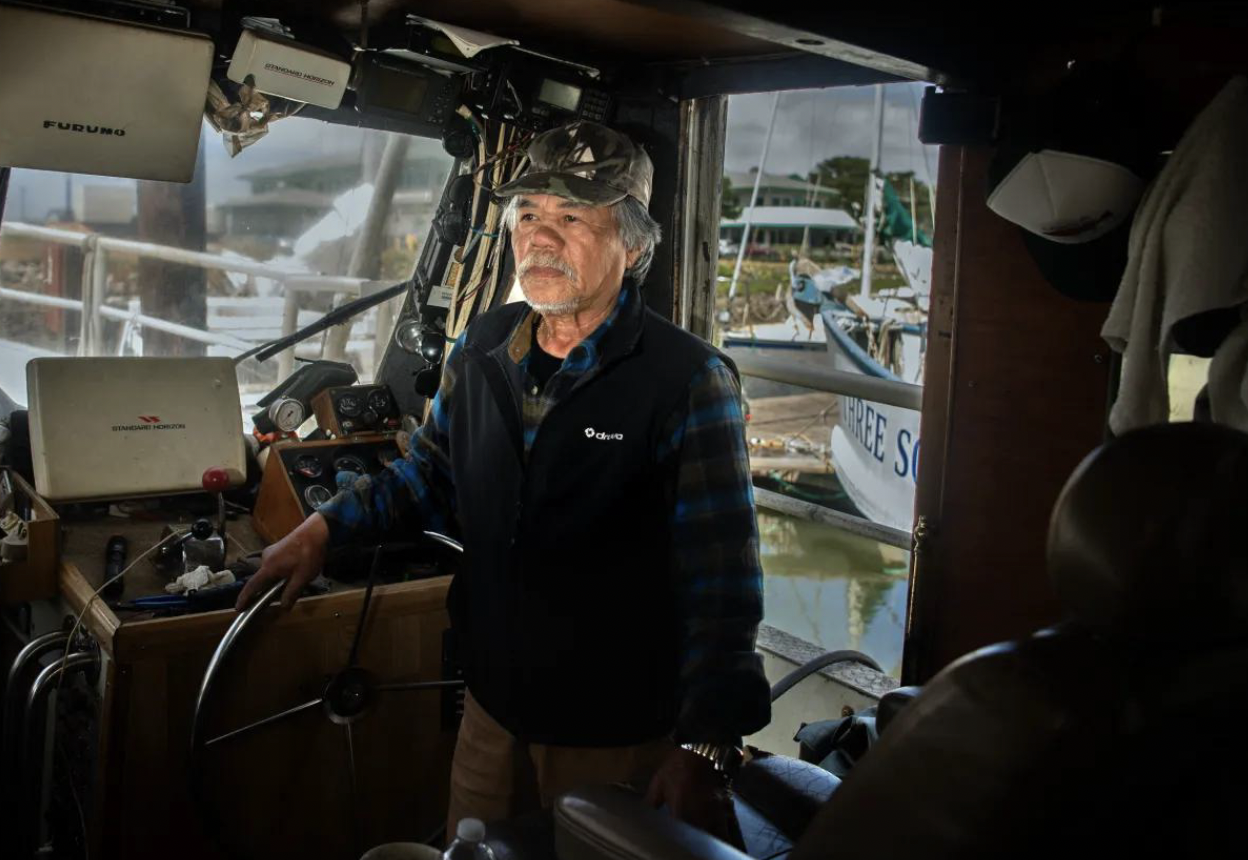
Aboard his boat in Moss Landing harbor, Tai Huynh, 71, bent over a pile of grenadier, then flung one of the deep sea fish into a large bin. Next to him, Tham Vo tipped them into a 500-pound crane lift box, swigging glass bottles of Heineken between loads.
In just over two hours recently, the pair offloaded 3,854 pounds of fish after spending 24 hours at sea and another 12 guarding their haul until daybreak.