
From Recovery to Resilience: What's Next for Salmon
By Mark C Anderson, July 6, 2026
Salmon go on a superhero odyssey in their relatively short lifetime.
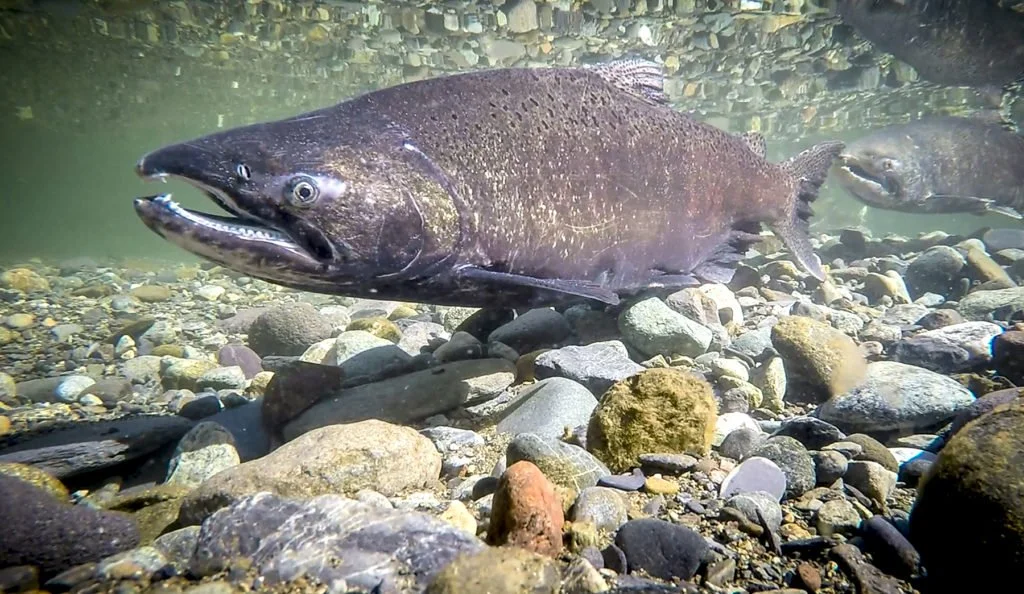
Should they survive long enough, they make a mad dash from their riverbed birthplace to a wide-open ocean full of danger.
Their kidneys transform. Their scales harden. They change color, modify their gill composition, and adapt to temperature and season rapidly. They swim 12 miles a day, or 10,000+ lengths in a typical city pool. They can lock in on the smell of their home river to get back several years—and tens of thousands of miles—later.
And that all happens before they’re the salmon equivalent of a teenager—and before doing crazier feats as adults, like charging upstream against intense currents to spawn and die.
So it feels fitting that what began as a simple update on the 2026 salmon season on Monterey Bay—the first such season in three years, in all its tenuous glory—led to its own sprawling journey, triggered by revelations from fishermen, chefs, buyers, charter boat captains, river anglers and environmental attorneys.
Here appears an itinerary of where that trip touched, before landing in a very dark place.
That ominous destination could involve a cruel fate for future salmon seasons, or a real chance at survival—and is being litigated as this publishes.
Cella Restaurant, downtown Monterey
Star chef Tyler Eaves can’t contain his joy at the king salmon small boat fisherman Tuk Su Yi has been bringing fresh—and humanely killed—to his kitchen.
“I’m super stoked it’s back—when I moved here in 2019 and was able to use it, of all the amazing local ingredients, Monterey Bay salmon became most ingrained in my memory,” he says. “Just how good it is.”
He describes Su Yi’s catch as “pristine as you can get,” so he and his team “don’t do anything too crazy with it.”
What they do do is treat it with a specific sort of reverence, picking a medley of wild herbs from the restaurant garden, combining that with salt, sugar and lemon juice in a green paste that they rub on the fish to lightly cure it, before poaching it and building a salad around it.
“Moist, delicious, with vibrant color,” Eaves says. “Just beautiful.”
Ongoing limbo, Floating off the Central Coast
Captain Rodney Armstrong, who runs Santa Cruz Coastal Charters, sums up the season succinctly.
“The bite’s been horrible—off and on,” he says, ticking off warm and clear water conditions that discourage baitfish like anchovies and krill from congregating, leading salmon elsewhere. “Our [regional] quota isn’t close to being filled.”
If he sounds like a third grader who just got out of detention for the first time in months, only to find the playground converted into a parking garage, that’s fair—and understandable.
“Even when it’s good, it hasn’t been that good,” he adds.
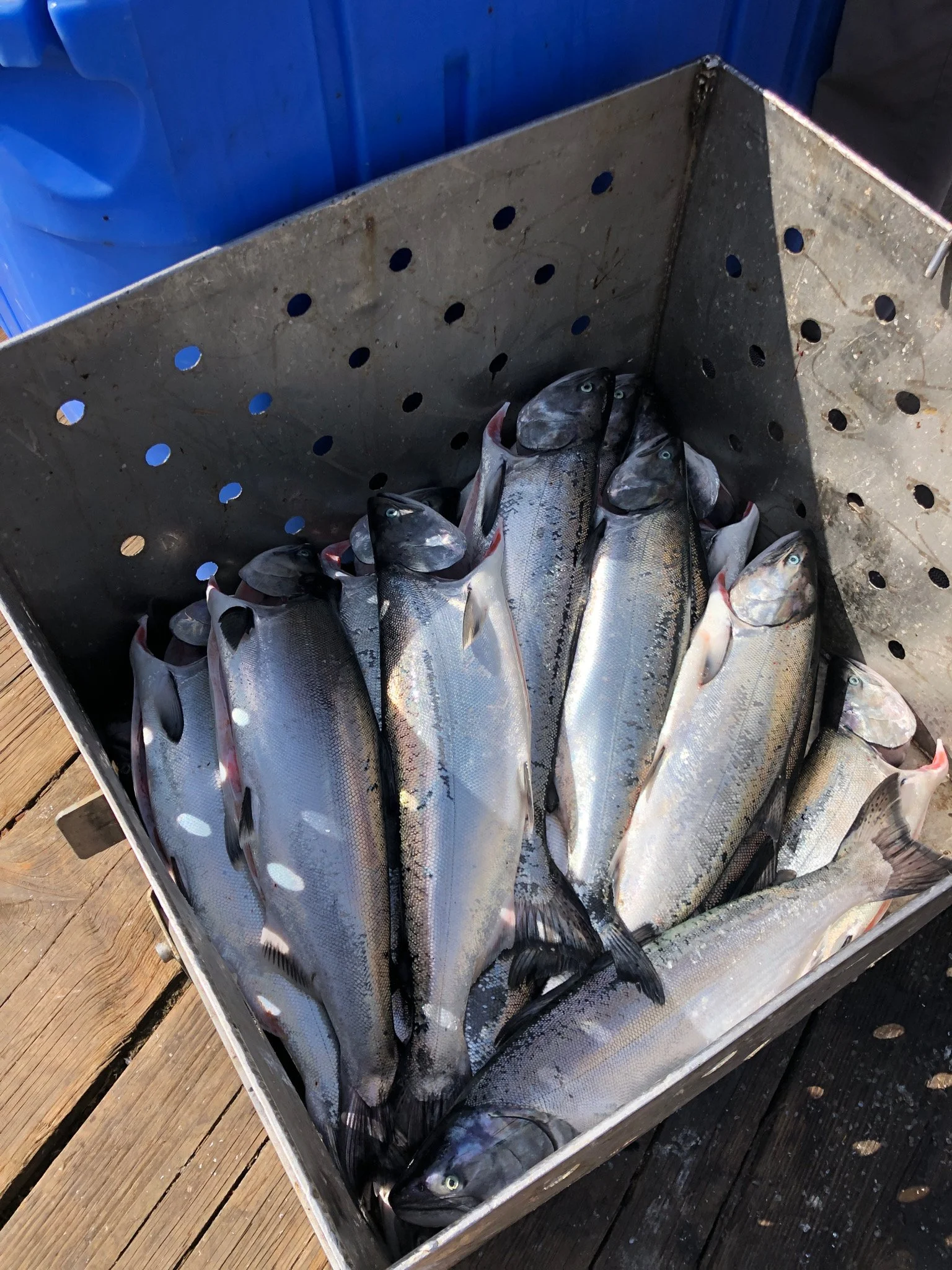
Other stakeholders, including a local distributor-wholesaler who requested anonymity, chime in with more buoyant thoughts.
“It’s going alright—the product seems to be moving OK, and prices are a little higher than normal, but that’s to be expected,” he says, noting the salmon size has increased as the season progresses. “There’s a lot of competition, and the Oregon price is a little cheaper than ours, so we’re trying to balance it all.”
He notes the intermittent regulatory opener schedule, which has irked some, has been manageable: “[Fishermen] have been dealing with it fine because the gaps aren’t that significant, [and] the consumer seems to be really happy to have salmon back in stores and restaurants—it’s still one of the favorite foods on the California coast.”
Commercial fisherman Mike Burns, who was so excited for the first salmon season in years that he couldn’t sleep, provides additional detail.
“It’s been mediocre … in Monterey Bay specifically, but if you traveled north, there was a great bite at the beginning of the season between Bodega and Point Arena,” he says. “That caught me by surprise.”
He also observes that longer trips are deterred by astronomical fuel prices and intense weather that modest-sized boats don’t want to mess with.
Like the distributor, Burns finds the short harvest periods—3-7 day openers spread across the months of May-August—doable because he can anticipate them and prep accordingly, and is audibly thrilled to pull in a near 30-pounder recently.
“The fish are big,” he says. “It’s awesome.”
Without the restrictive catch limit (160 fish per open period), he thinks bigger boats would’ve blown through the season quota quickly, so the plan—essentially a rationing tactic by regulators—has been working well enough that a similar structure might be in the works for 2027.
“I think they’ll repeat it, but I could be wrong,” he says. “There’s going to be a lot of noise—and they’ve been successful in keeping the cap on the number of fish caught, which is important.”
Su Yi also tolerates the unique 2026 schedule—“It’s not like, ‘Oh hey it’s opening [suddenly],’” he says, “instead you can plan ahead”—but the weather and environmental factors that favor salmon abundance (or cause their absence), like ocean temps, prey, and ocean clarity, have been far less predictable.
Recent news from the National Oceanic and Atmospheric Administration (NOAA) doesn’t register a ton of uplift on that front. According to NOAA Fisheries scientists, there’s a record breaking marine heatwave forming in the Pacific, which is likely to wreak environmental havoc in the coming months.
In a June 12 report titled “7 Ways El Niño and Large Marine Heatwave Could Affect West Coast Marine Species,” the Fisheries division clocks a large warming pattern moving along California and beyond over the past year, breaking temperature records in the Pacific, while El Niño has developed in the tropical Pacific and is predicted to intensify into “a moderate or strong” level this fall.
“The prolonged period of high temperatures could affect fisheries and marine life in the California Current,” the piece reads, “that have already been buffeted by shifting ocean conditions over the last decade.”
Washington, D.C., and a rice paddy in the Yolo Bypass
When longtime opponents in the tussle for California water rights—namely farmers, fishermen and conservationists—walk into Congressional offices together, lawmakers respond with disbelief, then wonder.
John Atkinson, who runs New Rayann Sportfishing out of Sausalito, and also represents charter operators on the Salmon Advisory Subpanel for the Pacific Fishery Management Council (PFMC), has seen it firsthand.
“It’s amazing to see the look on the congressmen and senators’ faces,” Atkinson says, flagging recent meetings with the staff of U.S. Senator Alex Padilla, Rep. Jared Huffman and Rep. John Garamendi. “First there’s shock, then fascination at how we put our differences aside and are working for a common solution to help salmon.”
At the center of the collaboration is a new organization called The Bridge Group.
Started in 2023 by a self-described “coalition of fishermen, farmers, researchers, and conservationists,” their stated goal is working to boost salmon populations in the Sacramento River Basin.
Partners include fishermen’s groups, the NorCal Guides and Sportsmen’s Association, the Northern California Water Association, Sacramento River Settlement Contractors, the California Rice Commission and the Center for Watershed Sciences at UC Davis.
“Instead of fighting each other, we found out we have so much in common, and we’ve been able to find success,” Atkinson says.
He points to habitat restoration projects, improved hatchery release strategies and salmon migration support among recent accomplishments of The Bridge Group.
A project to raise 500,000 juvenile salmon in a Tehama-Colusa Canal forebay net pen aims to help the fish imprint on Sacramento River water and return to the upper river as adults.
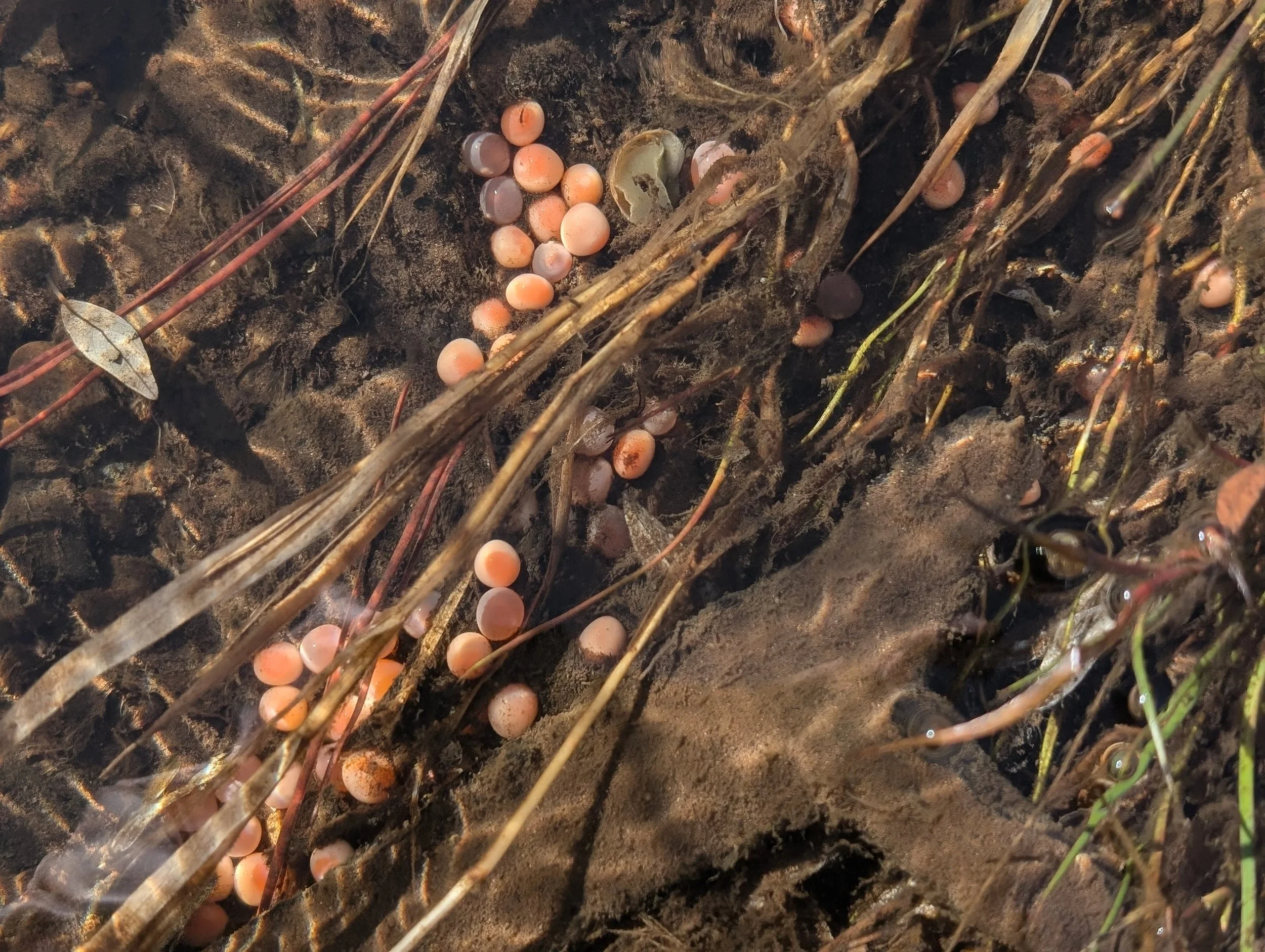
Another endeavor places 1 million fry from hatcheries in flooded rice fields adjacent to the Sacramento, connecting them with a rich food web, the river and the West Coast fishery at the same time.
Thaddeus Bettner serves as executive director for the Sacramento River Settlement Contractors and represents his users—farmers, irrigation districts, reclamation districts, and cities—with The Bridge Group. He notes the rice field project balances past history with novel collaborations.
“We’re trying to incorporate rice fields and historic flood plains back into the river system,” he says. “It’s crazy to think fish we raise in our backyard here in Redding could end up at a dock in Monterey, or up in Tillamook, Oregon…We keep telling people the Sacramento system is important to the whole West Coast.”
Atkinson hastens to mention that these projects would never have happened without the crises that led to the unprecedented shutdown of the California salmon season.
“The three years of closure were the darkest times in the industry,” Atkinson says. “The last year and a half, you can sense the change when you walk into the harbor: Everyone is encouraged by what’s going on, and hopeful things are going to get back to where they were.
“Sitting down and actually working together, we’re seeing progress. And you can’t argue with progress.”
One major argument does stick out, however: Several experts interviewed for this piece warn that by partnering with the same water users who have diverted life-giving river flows in the past—and prioritizing hatcheries over hydrology—fishermen risk co-signing their own industry’s death certificate.
Which, in turn, frames the new water fight coming to a climax this very week.
Shasta Dam
Back in January 2025, President Trump signed an executive order allowing more water from California’s largest reservoir to be routed away from the Sacramento River and into Central Valley fields and Southern California for fire relief (though the water never made it to Los Angeles to fight those fires).
The use of executive authority to move millions of gallons of precious water in such a short time sent a chill through the salmon industry.
The order, if it holds up, ultimately means warmer river conditions that make it hard—if not biologically impossible—for even superhero salmon to survive in the Sacramento River.
On June 10, 2026, the State Water Resources Control Board rejected the Trump Administration’s Bureau of Reclamation plan. The argument presented is straightforward: The plan violates federal requirements under the Endangered Species Act, which requires enough cold water to be held behind Shasta Dam to keep spawning salmon alive.
“The 2026 season marked the first meaningful return of ocean salmon fishing in years, bringing much-needed economic relief to coastal businesses, charter operators, commercial fishermen, marinas, tackle shops, restaurants, and communities that depend on healthy salmon runs,” Golden State Salmon Association (GSSA) William O’Neal writes in a June 26 statement. “That recovery now risks being undermined by the Bureau’s decision to repeat the same water management mistakes that contributed to the collapse of the fishery.”
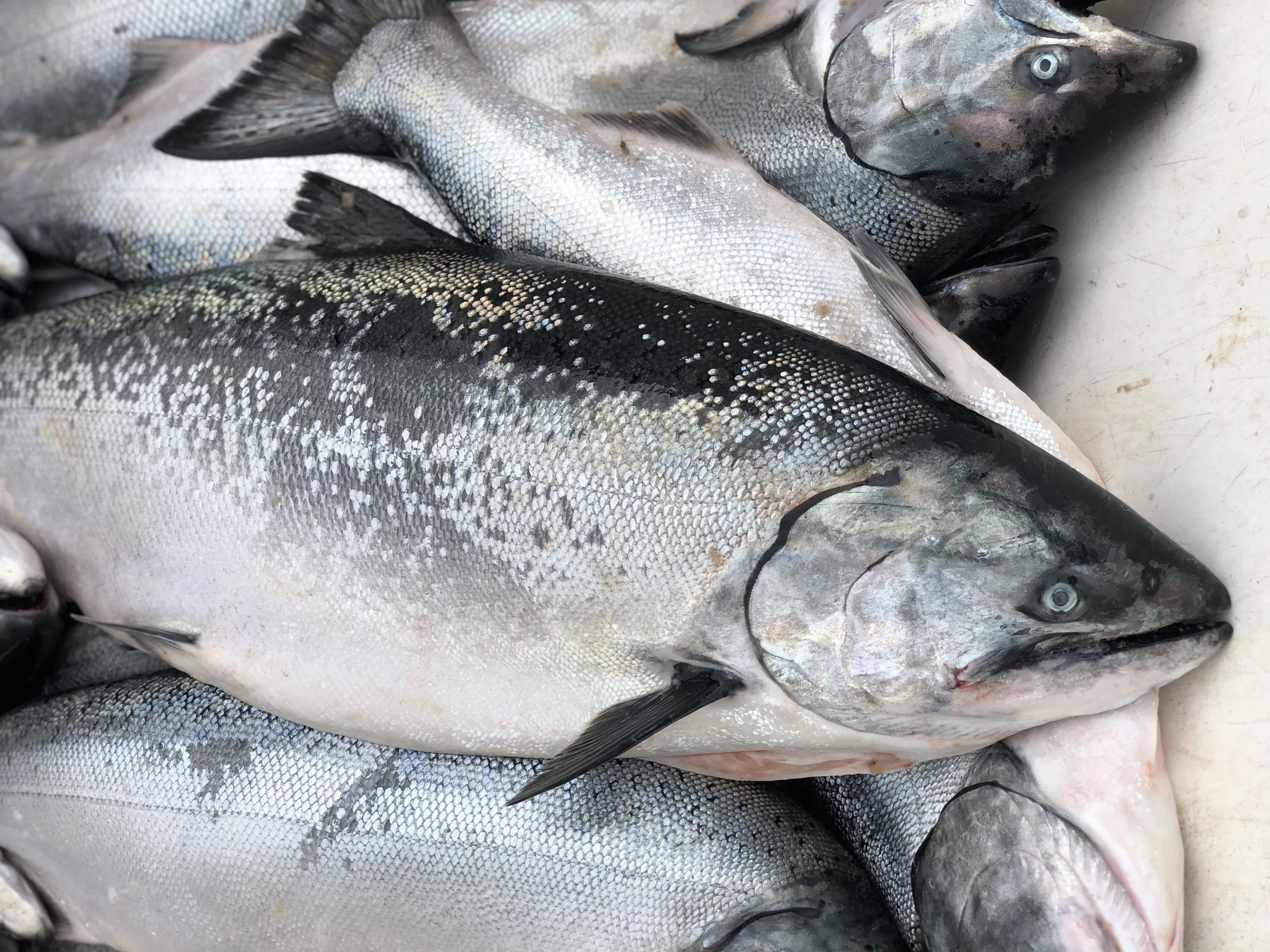
Since the dynamics of power between the state and the Trump Administration are murky, the Water Board objection took the form of a “Please stop!,” rather than, as California Sportfishing Protection Alliance Executive Director Chris Shutes puts it, a more forceful action that announces, “You’re breaking the law and going to jail.”
John McManus, senior policy director for the GSSA, drops that in the context of a coastal salmon industry that, when healthy, accounts for around 23,000 jobs and kicks in approximately $1.4 billion of economic activity each year.
“Bureau mismanagement has driven wild spawning Sacramento River salmon down by 95 percent in the past 20 years, particularly in recent years,” he says. “Make no mistake. The Bureau caused this disastrous shutdown of salmon fishing. Now, the Bureau is proposing to do the same thing this year.”
While McManus calls for the State Water Board, Governor Gavin Newsom and Attorney General Rob Bonta to intercede, other concerned advocates are taking a different tack.
Along with the Center for Biological Diversity and Friends of the River, San Francisco Baykeeper, a nonprofit watershed watchdog, brought a lawsuit to the United States District Court.
The basic thrust of that motion—which cites 30+ precedent-setting cases and was updated last week—is that the reclamation bureau’s plan to drain the already low Shasta Lake not only violates the Endangered Species Act of 1973, but allows illegally high river temperatures.
“The science is pretty clear,” says Eric Buescher, SF Baykeeper managing attorney. “Chinook need cold water for eggs and baby fish.”
According to Shutes, knowing the regulations designed to protect Chinook water resources—then ignoring them—is akin to “driving around and thinking stop signs are optional.”
GSSA board member and former executive director Vance Staplin—last seen here warning readers that a reintroduced salmon season isn’t exactly reason to celebrate—points out that enactment of the bureau’s water plan would reverse what progress the salmon shutdown helped provide.
“All the sacrifices commercial and sport fishermen made to help bring back the salmon, to build up these fish to spawn, could be for nothing,” he says. “The government looks like they will kill everything we worked for.”
The big lesson there: Even when incremental advances with the salmon fishery are real and observable, and catch limits allow for hope and progress, the fragile state of the once mighty Sacramento reiterates how vulnerable the salmon population—and the industry that depends on it—remains.
